

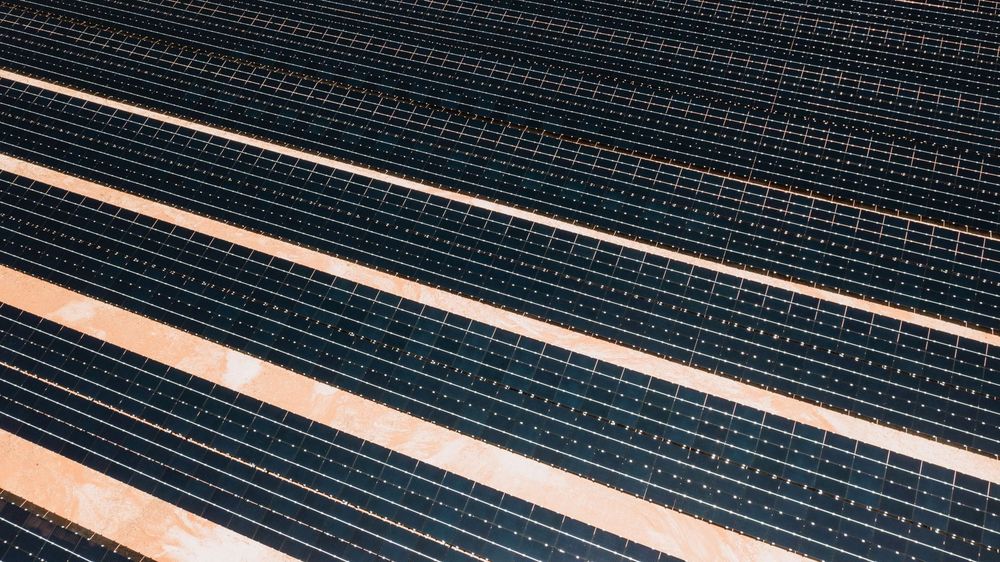
Malta Emerges as Mediterranean Solar Testing Ground for Harsh Climatic Stress
Malta Emerges as Mediterranean Solar Testing Ground for Harsh Climatic Stress
As Europe accelerates its transition towards renewable energy, the long-term durability of photovoltaic infrastructure under severe climatic stress has become a central focus for researchers and engineers. While northern European nations offer moderate testing environments, the true test of solar technology lies in the crucible of the Mediterranean. Increasingly, Malta is stepping into this role, serving as a vital living laboratory for solar power endurance.
Boasting approximately 3,000 hours of sunshine annually, Malta is geographically and climatically primed to harness solar energy on a grand scale. However, these very same environmental dynamics present a formidable challenge to photovoltaic systems. The island nation is subject to a unique combination of punishing environmental factors that push hardware to its absolute limits.
Researchers are currently leveraging Malta's harsh weather conditions to test solar panels directly on the ground. Beyond simply evaluating hardware longevity, these initiatives are actively training specialized technicians and developing advanced diagnostic tools designed to optimize photovoltaic efficiency. The ultimate objective extends far beyond national borders: the insights gathered in Malta aim to ensure that solar installations run longer and more reliably across the wider European continent.
The operational hurdles faced by solar arrays in the region are multifaceted:
- Scorching Summers: Extreme ambient temperatures and intense solar irradiance accelerate the thermal degradation of photovoltaic materials.
- Salty Sea Air: Proximity to the marine environment introduces airborne salinity, creating corrosive risks for panel frames, wiring, and electrical components.
- Particulate Stress: Periodic incursions of Saharan dust storms blanket panels, testing cleaning methodologies and assessing how abrasive particulate matter impacts surface integrity over time.
By subjecting solar panels to this demanding tri-factor of sun, salt, and sand, the research community can observe real-world degradation patterns that standard laboratory simulations often fail to replicate accurately. This ground-level testing framework bridges the gap between controlled manufacturing conditions and the unpredictable realities of outdoor deployment.
For Mediterranean and southern European nations with similar topographical and climatic profiles, the findings emerging from Malta's testing grounds offer invaluable foresight. As energy grids increasingly rely on photovoltaic generation to meet ambitious climate targets, understanding how to mitigate the effects of thermal stress, marine corrosion, and dust accumulation is paramount. Malta’s proactive approach to stress-testing solar infrastructure is laying the groundwork for a more resilient, durable, and future-proof European renewable energy sector.