

Dangerous Buildings in Cyprus: What the Proposed Utility Cut-Offs Mean for Property Owners
Dangerous Buildings in Cyprus: What the Proposed Utility Cut-Offs Mean for Property Owners
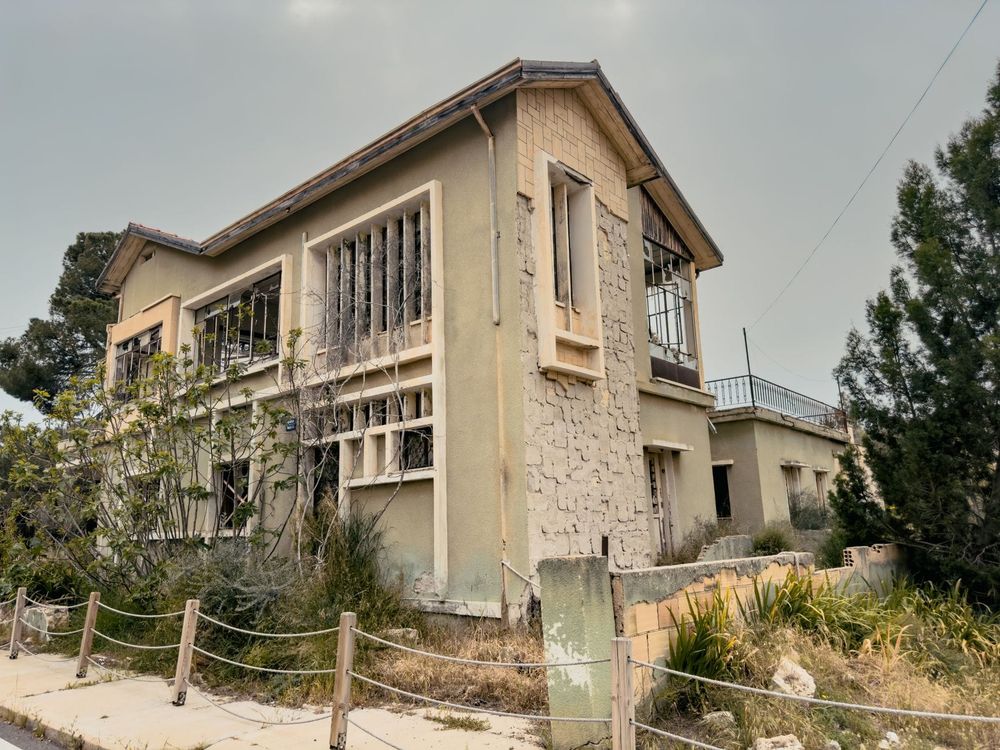
If you own older property in Cyprus—particularly historic or neglected structures requiring maintenance—it is time to take a close look at your upkeep schedule. Parliament’s Interior Committee is actively discussing a stringent new bill aimed at tackling the island's long-standing issue of dangerous buildings. For owners who have dragged their feet on repairs, the message from lawmakers is loud and clear: shape up or face serious administrative and financial consequences.
The proposed legislation grants sweeping new powers to local authorities and District Organisations of Local Government (EOAs), moving away from the bureaucratic delays that have historically hindered public safety interventions. Here is a practical insider’s look at what the bill entails, how it impacts property owners, and what you need to do to protect your investment.
What the New Measures Entail
The draft legislation introduces a robust toolkit for municipalities and local authorities to step in when a building poses a safety hazard. No longer will local bodies be hamstrung by financial constraints or lack of legal backing when dealing with structures at risk of collapse.
Key interventions under discussion include:
- Utility Disconnections: Authorities will have the power to cut off electricity and water supplies to force compliance and eliminate immediate occupancy risks.
- Physical Securing and Demolition: Depending on the severity of the structural threat, measures range from sealing, fencing off, and supporting unstable structures to carrying out full or partial demolitions.
- Cost Recovery and Property Liens: If local authorities must step in to secure or demolish a property, they won't absorb the bill. They will recover support and intervention costs by placing a legal charge—commonly known as a memo—on the affected property. This lien remains until all debts are settled.
Tougher Financial and Legal Penalties
The proposed legislative changes do not just target the physical buildings; they significantly raise the stakes for non-compliant owners through heavily increased fines and legal actions. The updated framework introduces much harsher financial penalties for failing to maintain safe premises, with steep fines designated for first-time offences that double exponentially for repeat violations. Furthermore, authorities are eyeing specific charges for situations where owners fail to act, such as standard fees if the state is forced to fence off or seal a hazardous site on an owner's behalf.
Legal drafting of the bill is currently underway, meaning these rules are moving swiftly through the parliamentary pipeline toward implementation.
Actionable Steps for Property Owners
If you own aging real estate in Cyprus, waiting for a formal notice from the municipality is a gamble you cannot afford to take. Here is how you can stay ahead of the curve:
- Conduct an Immediate Structural Assessment: Take a proactive walk around your property. Look for major cracks, crumbling masonry, sagging roofs, or damp issues that compromise structural integrity. Bring in a professional civil engineer or architect if you spot warning signs.
- Address Maintenance Backlogs Now: Small repairs left unattended snowball into major safety hazards. Prioritise fixing structural defects before local authorities or the EOA flag your building as dangerous.
- Check Your Utilities: Ensure that your building is secure and that no unauthorized or unsafe modifications are drawing power or water in a way that might trigger a municipal inspection or utility cut-off.
- Budget for Contingencies: Realise that ignoring a dangerous building notice now risks a forced demolition or state intervention, the costs of which will be legally tethered to your title deeds via a property lien.
The era of turning a blind eye to dilapidated buildings in Cyprus is coming to a close. By staying proactive and maintaining your property to safety standards, you can safeguard your investment, avoid severe fines, and steer clear of unexpected utility disconnections.